| Telecommunications
and data communications, like many similar technology-based
industries, are advancing at an amazingly rapid pace. Sophisticated
networks integrating data, voice, and video communications
are in high demand and represent major investments for new
businesses as well as for established companies expanding
their infrastructures. Additionally, the number of people
using the internet at home both for business and personal
use is growing exponentially each year. Designing and installing
the wiring and cabling systems to support these demands represents
a lucrative source of revenue for both individuals and companies
with the required skills.
Typically,
new technologies are initially introduced by a small group
of specialists in their field. These individuals are perceived
by the general population as an elite group with knowledge
and skills that are unfamiliar, and perhaps overwhelming,
to most people. The buzzwords and technical aspects of these
innovations are usually very specialized and often outside
the comfort zone of the average person. A recent example is
the dramatic increase in the number of web sites. Initially,
the development of these sites demanded specialized services
that were only offered by a handful of companies, and were
available only at very high prices. Today, web site creation
is considered a standard and necessary tool for marketing
a company's product or service. Beyond that, development of
web sites has become so mainstream that students and families
are developing their own personalized sites without the need
for assistance from any technical expert.
Network
installers, who have traditionally been responsible for integrating
and installing complicated voice and data communications cabling,
are seen as highly skilled specialists. In effect though,
electrical contractors have been doing similar work for years
by wiring for lighting, heating and air conditioning. However,
the network installers are working with the newer technology
and typically bring in the higher salary. Today more and more
new homes and businesses are being wired during construction
to provide maximum communications performance. Electricians
and wiring technicians are becoming skilled at installing
these lower voltage communications lines, and companies are
beginning to take advantage of this more economical means
of installation for existing network upgrades. The former
network installation specialist will move on to the next new
technology until it too becomes mainstream, or perhaps move
into another field. In short, there will always be a specialist
type group at the on-set of the new technology and as it becomes
mainstream, these specialists will migrate into other fields.
Each new
form of communications technology brings with it a new way
of doing business. In the case of voice mail and fax machines,
these tools changed workers' habits, the way they communicated,
and the speed at which those communications occurred. Today's
new technologies are continuing to increase the speed and
accuracy of communications. Unfortunately, no new technology
is foolproof, and each innovation in technology spurs manufacturers
to develop new tools and equipment to test and troubleshoot
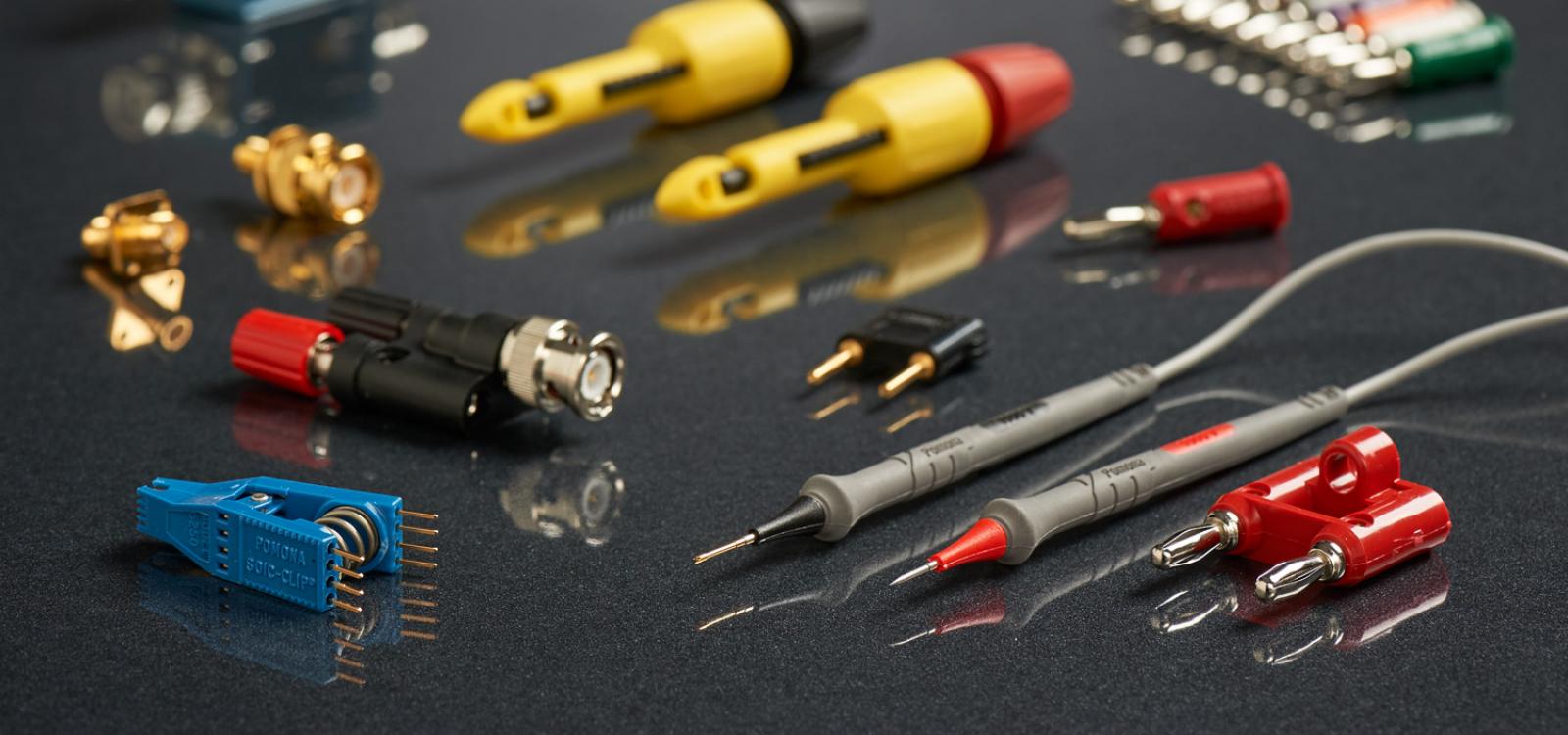
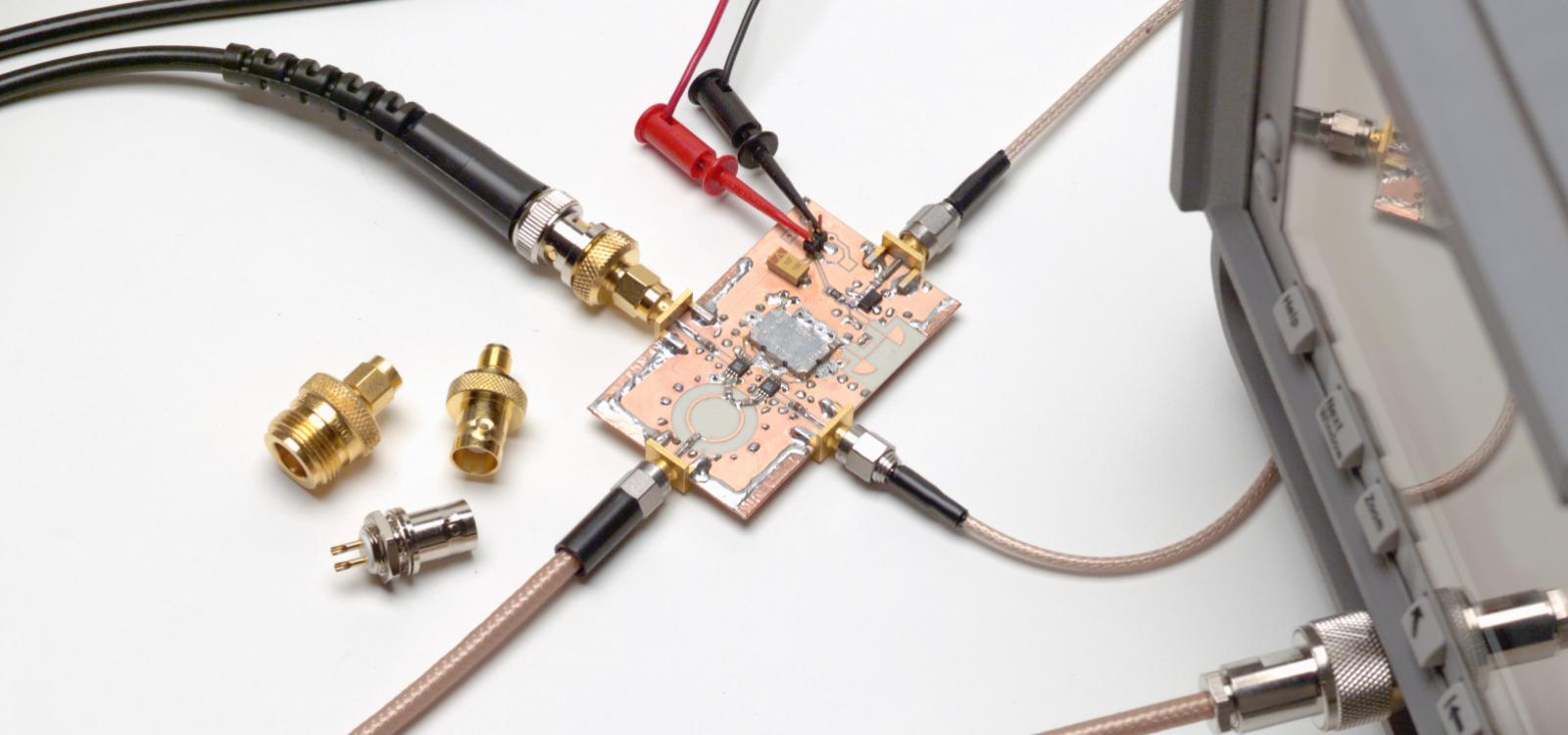
these new systems. As an example, Pomona Electronics has introduced
a line of 75-ohm coaxial cables including True-75-ohm BNC
products. These True-75-ohm cables were developed to provide
improved bandwidth performance to meet the testing requirements
for a wide range of digital video and telecommunication data
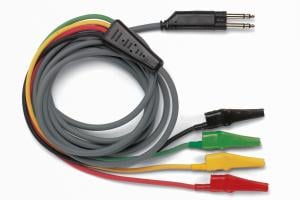
transmission. Additional new products available from Pomona
include a line of BNC, Mini- and Standard WECO in-series and
between-series patch cords. Designed specifically to interface
with test equipment featuring WECO or BNC connectors, the
new patch cords allow for quick and reliable signal patching
and network reliability testing.
In addition
to changing workforce habits and new products, the rapid growth
in demand for new network systems is bringing about even broader,
more widespread changes that affect the whole structure of
the communications industry, including channels of product
distribution. The best distributors quickly realize that they
need to carry additional product lines to accommodate these
new product requirements. Their customers want to obtain everything
they need for an installation at one place rather than making
multiple stops for low voltage and high voltage products.
The distributors who stay abreast of these changing trends
and adapt most quickly are the ones who will retain their
customers and attract new ones.
Distributors
who currently sell products for electrical contractors are
expanding their line to include products for voice/data/video
communication installation and test. The modified supply chain
thus becomes broader and the expanded availability of these
products results in more competitive pricing. In addition
to the new items required for installation, related test equipment
and accessories will need to be added to the product mix.
Formerly specialized communications distributors will either
diversify or go out of business as the traditional electrical
wholesale distributor expands and broadens into this new market.
As any
new technology evolves, the products and experts associated
with that technology will remain specialized only until it
becomes mainstream. However, there will always be an innovator
who is one step ahead of the crowd; and specialization will
evolve to encompass these new innovations. The future of communications
holds unlimited possibilities, but one thing is certain. More
innovations will emerge - the only questions are who will
who will introduce them, and how will they change our way
of doing business? |